the real difference explained
In Los Angeles, it’s a question I hear all the time.
A homeowner, property manager, or contractor calls me after getting a few estimates. They sound confused, sometimes frustrated.
“How is it possible,” they ask, “that the same iron gate, the same fence, or the same project… can come in at $4,000 from one company and $8,500 from another?”
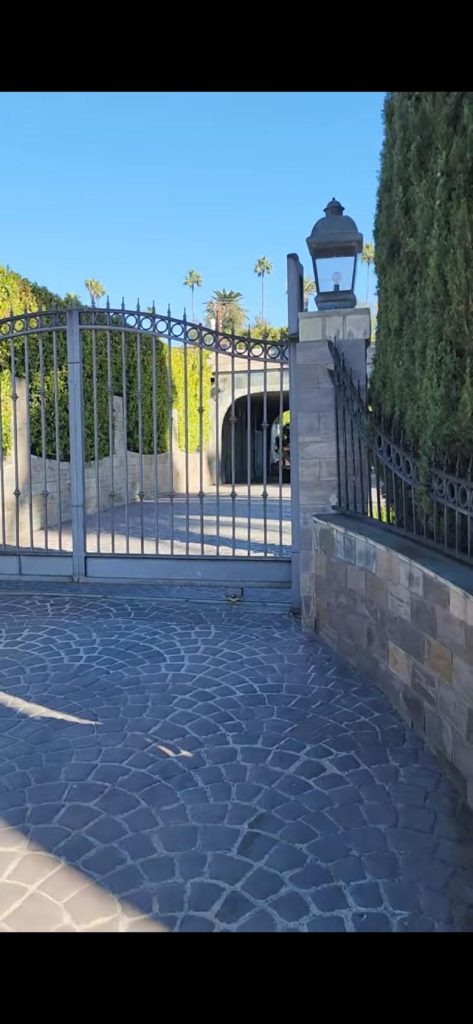
On the surface, everything looks identical. The design is the same. The dimensions are the same. Even the photos they show me look nearly identical.
But after more than 40 years working in iron fabrication, welding, and automatic gate systems across Los Angeles, I can tell you something with complete certainty:
They are not the same project. Not even close.
The Illusion of “The Same Project”
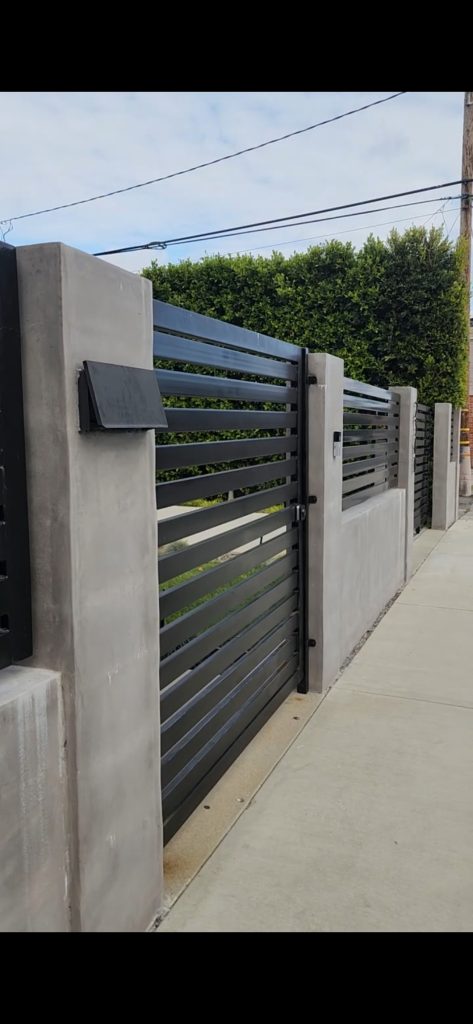
Most people base their decisions on what they can see.
A photo. A rough description. Maybe a quick explanation from a contractor.
But iron work — whether it’s an automatic gate, iron security fence, or custom welding project — is not defined by how it looks on the outside.
It’s defined by everything you don’t see.
And that’s where the real difference lives.
Material Thickness: The First Hidden Factor
One of the biggest differences between a $4,000 project and an $8,500 project is something most clients have never heard about:
Gauge (thickness of the metal).
Two gates can look exactly the same in a picture. Same design. Same style.
But one could be made with thin, lightweight material… while the other is built with heavy-duty steel designed to last decades.
The difference?
• Strength
• Resistance to bending
• Long-term durability
• Security level
Lower-cost projects often use thinner gauge materials to reduce cost.
And unless you specifically ask, no one will tell you.
The Quality of Steel Itself
In recent years, I’ve seen a major shift in the materials being used across Los Angeles.
A lot of iron work today is fabricated using lower-quality imported steel.
It’s cheaper. Easier to source. More competitive for pricing.
But here’s the problem:
That type of steel often has lower resistance to moisture, corrosion, and environmental wear — especially in coastal areas like Santa Monica, Malibu, or Long Beach.
So what happens?
• Rust shows up faster
• Structural integrity weakens
• Repairs come sooner than expected
And suddenly, that “cheaper” project becomes more expensive over time.
Craftsmanship: The Human Factor
Let me tell you something from real experience.
You can give two fabricators the exact same design…
…and get two completely different results.
Why?
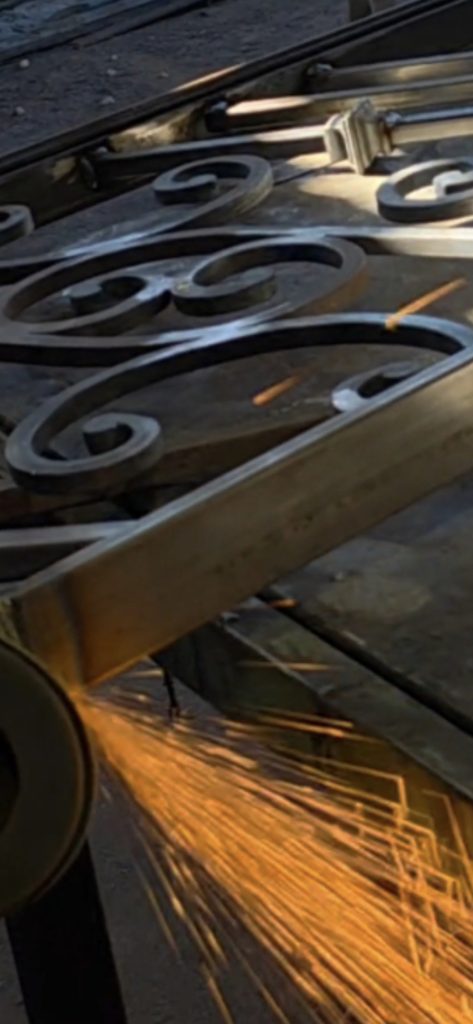
Because craftsmanship is not visible in a photo — but it shows up over time.
Things like:
• Weld quality
• Structural alignment
• Reinforcement points
• Precision in measurements
• Installation technique
These are details you don’t notice on day one.
But give it a year… two years… five years…
That’s when the difference becomes obvious.
The Biggest Secret: Powder Coating Is Not Just Powder Coating
This is one of the most misunderstood parts of iron work.
A lot of contractors will tell you:
“Don’t worry, it’s powder coated.”
Sounds good, right?
But here’s the truth:
Not all powder coating is the same. Not even close.
There are three levels of quality, and most people only get one — without knowing it.
1. No Surface Preparation (Lowest Quality)
Some projects skip proper preparation entirely.
No deep cleaning. No proper adhesion process.
Result?
The paint looks good at first… but starts failing much sooner.
2. Basic Powder Coating
This is what many consider “standard.”
Better than nothing, but still missing critical steps.
3. Full 3-Step System (Professional Grade)
This is the real deal — and yes, it costs more.
It includes:
• Sandblasting
High-pressure abrasive cleaning that removes impurities and prepares the metal surface.
• Primer Application
A bonding layer that helps prevent corrosion and improves adhesion.
• Powder Coating Finish (Baked Paint)
A durable, oven-cured finish designed for long-term protection.
This process takes more time, more labor, and more expertise.
But it dramatically increases the lifespan of the project.
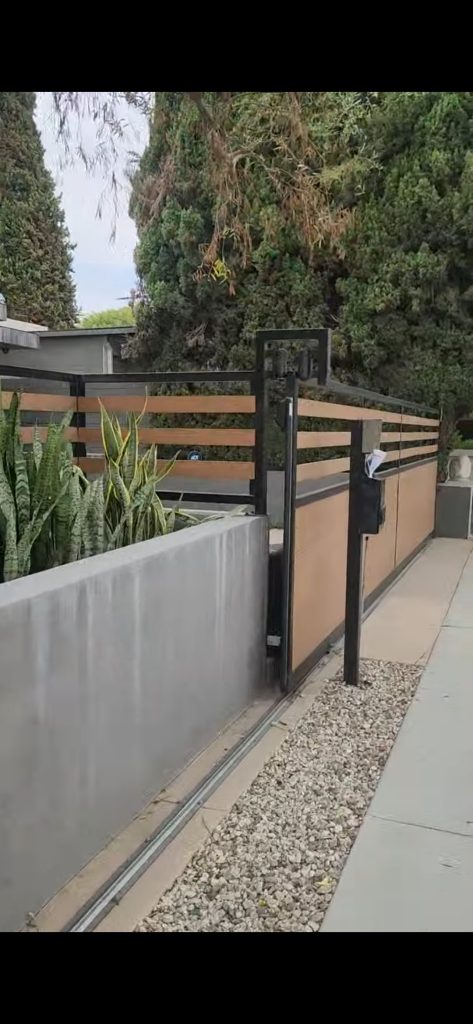
“Just Pick the Middle Estimate” — A Risky Myth
You’ve probably heard this advice before:
“Get three estimates and go with the one in the middle.”
It sounds logical. Safe. Balanced.
But here in Los Angeles, every experienced estimator already knows this.
So what happens?
They adjust their pricing strategy accordingly.
Which means the “middle price” is not always the “middle quality.”
Sometimes it’s just… strategic pricing.
The Real Way to Choose the Right Contractor
After decades in this industry, I can tell you this:
Choosing based on price alone is one of the biggest mistakes people make.
Instead, focus on three things:
1. Trust the Person
Not the price.
Not the presentation.
The person.
Do they explain things clearly?
Do they answer your questions honestly?
Do they take the time to educate you?
That matters more than anything else.
2. Don’t Over-Focus on Price
Everyone wants to save money. That’s normal.
But when it comes to iron work — gates, fences, access control systems — you’re not just buying a product.
You’re investing in:
• Security
• Durability
• Property value
And cutting corners here usually comes back later.
3. Get Specific About Materials and Process
If you really want to protect yourself, ask questions like:
• What gauge of steel will be used?
• What type of material is it?
• What finishing process will be applied?
• Will it include sandblasting and primer?
And most importantly:
Get it in writing.
Life in the Field: What I See Every Week
Out here in Los Angeles, I see it all the time.
I visit properties where gates are already failing after a short time.
Paint peeling. Rust forming. Structures weakening.
And the owner tells me:
“I thought I was getting a good deal.”
That’s the reality.
Not because people are careless — but because no one explained the difference.
Final Thought
At the end of the day, two iron projects can look identical in a photo…
…but be completely different in reality.
That $4,000 project and that $8,500 project?
They’re not priced differently by accident.
They’re built differently. Designed differently. Finished differently.